Where Is a Plantar Wart Found?

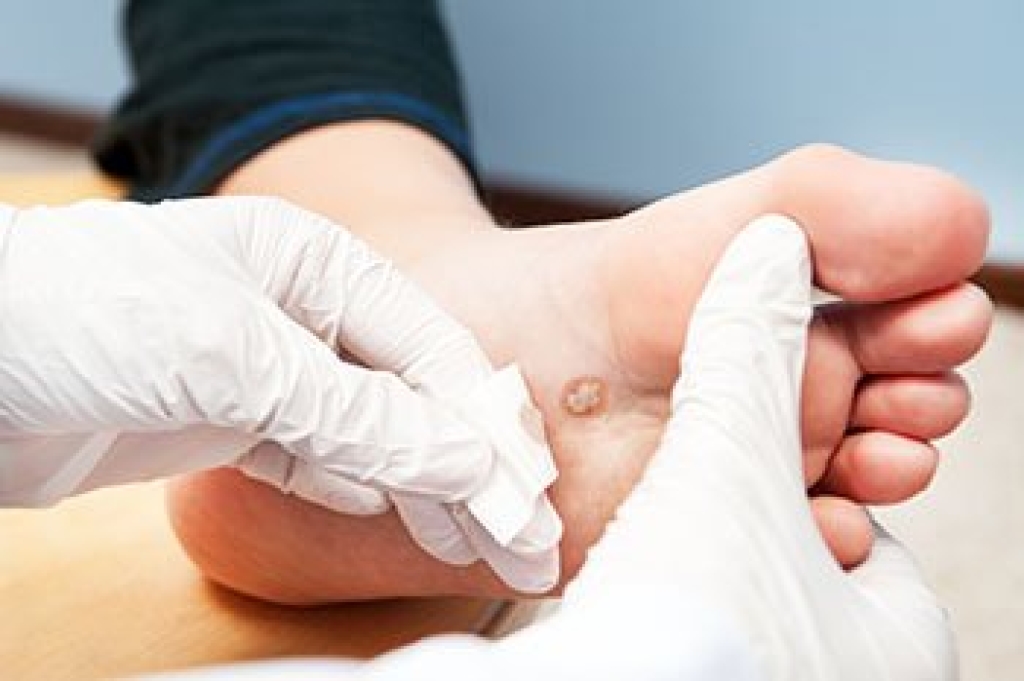
Plantar warts can cause a considerable amount of pain and discomfort. They occur when the human papillomavirus, which is abbreviated as HPV, enters the body through small cracks in the skin on the feet. They are found on the soles of the feet and grow inward as a result of the weight the feet endure while walking and running, possibly causing severe pain. A plantar wart is a small bump with a rough consistency, and it often has small black dots in the center. Certain people may be prone to getting a plantar wart, including people who have a weakened immune system, or it may come from sharing shoes, towels, and socks. There are various treatment methods that can be used on plantar warts, and it is suggested that you confer with a podiatrist who can determine what the best course of treatment is for you. 

Plantar warts can be very uncomfortable. If you need your feet checked, contact Scott Samera, DPM from Samera / Foot + Ankle. Our doctor will assist you with all of your foot and ankle needs.

About Plantar Warts

Plantar warts are the result of HPV, or human papillomavirus, getting into open wounds on the feet. They are mostly found on the heels or balls of the feet.

While plantar warts are generally harmless, those experiencing excessive pain or those suffering from diabetes or a compromised immune system require immediate medical care. Plantar warts are easily diagnosed, usually through scraping off a bit of rough skin or by getting a biopsy.

Symptoms

  • Lesions on the bottom of your feet, usually rough and grainy
  • Hard or thick callused spots
  • Wart seeds, which are small clotted blood vessels that look like little black spots
  • Pain, discomfort, or tenderness of your feet when walking or standing

Treatment

  • Freezing
  • Electric tool removal
  • Laser Treatment
  • Topical Creams (prescription only)
  • Over-the-counter medications

To help prevent developing plantar warts, avoid walking barefoot over abrasive surfaces that can cause cuts or wounds for HPV to get into. Avoiding direct contact with other warts, as well as not picking or rubbing existing warts, can help prevent the further spread of plantar warts. However, if you think you have developed plantar warts, speak to your podiatrist. He or she can diagnose the warts on your feet and recommend the appropriate treatment options.

If you have any questions, please feel free to contact our office located in Lake City and Branford, FL . We offer the newest diagnostic and treatment technologies for all your foot care needs.

Read more about Plantar Warts

Purchase Shoes When the Feet Are at Their Largest

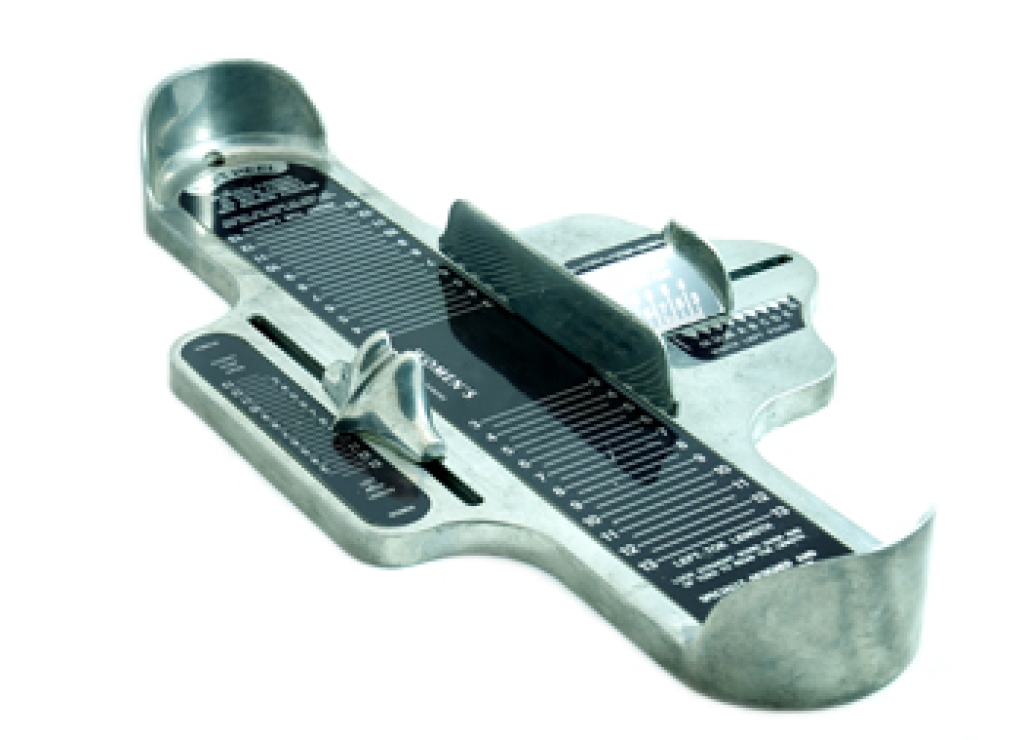
The overall body, in addition to the feet, may suffer when shoes do not fit correctly. There are simple methods that can help you in getting the right shoe size, and it begins with tracing your foot on a piece of paper. This may be easier with help from a family member or friend, and can be done by using a marker or a measuring tape. Many shoe stores have a Brannock device, which is generally successful in determining your correct shoe size. This can be followed by trying the shoes on and walking in them before being purchased. The majority of people have one foot that is larger than the other, and it is beneficial to choose shoes that will fit the larger foot. Additionally, the best time to purchase shoes is at the end of the day when the feet are at their largest. A podiatrist can provide helpful tips on how to determine what your correct shoe size is. Please confer with this type of doctor who will be able to give you the information you are seeking.

Getting the right shoe size is an important part of proper foot health. Seek the assistance of Scott Samera, DPM from Samera / Foot + Ankle. Our doctor will provide the care you need to keep you pain-free and on your feet.

Getting the Right Shoe Size

There are many people who wear shoes that are the incorrect size, negatively affecting their feet and posture. Selecting the right shoes is not a difficult process, so long as you keep several things in mind when it comes to choosing the right pair.

  • When visiting the shoe store, use the tools available to measure your foot.
  • Be sure there is ‘wiggle room’. There should be about an inch between your toes and the tip of your shoes.
  • Do not always assume you are the same size, as manufacturers run differently.
  • Purchase shoes later in the day, as your feet swell as the day progresses.
  • If a shoe is not comfortable, it is not suitable. Most shoes can’t be ‘broken in’, and comfort should be the ultimate goal when it comes to choosing the right pair of shoes

As our feet hold our body weight and keep us moving, it is important to treat them right. Picking the right pair of shoes can provide your feet comfort and mobility without pain.

If you have any questions, please feel free to contact our office located in Lake City and Branford, FL . We offer the newest diagnostic and treatment technologies for all your foot care needs.

Read more about Getting the Right Shoe Size: To Keep Your Feet Happy

Why Live with Pain and Numbness in Your Feet?

Suffering from this type of pain? You may have the foot condition known as Morton's neuroma. Morton's neuroma may develop as a result of ill-fitting footwear and existing foot deformities. We can help.

What Is The Medical Name For Sever's Disease?

An inflammation of the growth plate in children and young teenagers may be an indication of Sever’s disease. It can happen as a result of the muscles and tendons growing slower than the heel bone, which may cause pressure and tightness at the back of the heel. The medical name for this condition is known as calcaneal apophysitis and swelling in the heel area may be one of the symptoms. Parents may notice their child is limping or walking on tiptoes, and it is suggested that shoes that fit correctly are worn, preferably with a cushioned heel. Relief may be found when the activity that caused the injury is temporarily stopped, and this can give the child ample time to rest the foot. Some children can benefit from performing specific stretches that are designed to strengthen the heel. If you feel your child may have Sever’s disease, please consult with a podiatrist who can effectively diagnose and treat this condition.

Sever's disease often occurs in children and teens. If your child is experiencing foot or ankle pain, see Scott Samera, DPM from Samera / Foot + Ankle. Our doctor can treat your child’s foot and ankle needs.

Sever’s Disease

Sever’s disease is also known as calcaneal apophysitis, which is a medical condition that causes heel pain I none or both feet. The disease is known to affect children between the ages of 8 and 14.

Sever’s disease occurs when part of the child’s heel known as the growth plate (calcaneal epiphysis) is attached to the Achilles tendon. This area can suffer injury when the muscles and tendons of the growing foot do not keep pace with bone growth. Therefore, the constant pain which one experiences at the back of the heel will make the child unable to put any weight on the heel. The child is then forced to walk on their toes.

Symptoms

Acute pain – Pain associated with Sever’s disease is usually felt in the heel when the child engages in physical activity such as walking, jumping and or running.

Highly active – Children who are very active are among the most susceptible in experiencing Sever’s disease, because of the stress and tension placed on their feet.

If you have any questions, please feel free to contact our office located in Lake City and Branford, FL . We offer the newest diagnostic and treatment technologies for all your foot care needs.
Read more about Sever's Disease

Women Affected by Gout Has Doubled

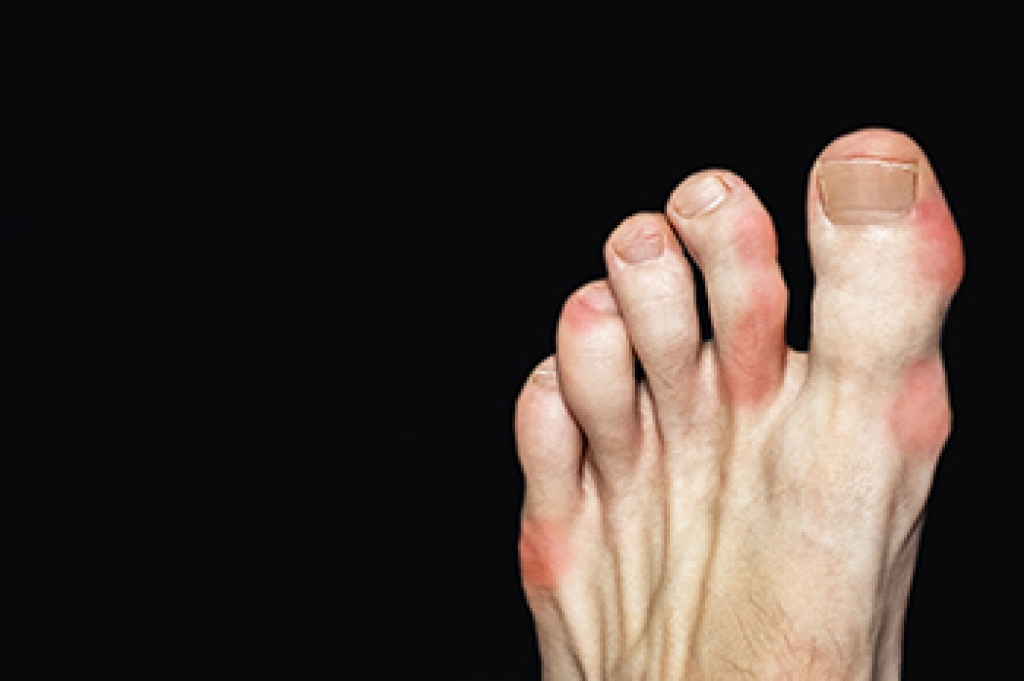
Studies have indicated that the foot condition known as gout affects men more than women. While this is still true, over the last 20 years the number of cases in which women have developed gout has doubled. Menopause may be a contributing factor due to a lack of estrogen. Gout is a form of arthritis that generally affects the joints in the big toe. This happens as a result of excess uric acid in the blood which collects in the joints of the toes. Studies have shown that women experience gout in multiple joints and may begin in toes other than the big toe. Gout attacks can be controlled by eating foods that have fewer purines than other foods. It is suggested to limit the intake of red meat, shellfish, and drinks that contain a large amount of sugar. Engaging in light exercise programs and drinking plenty of water daily may help. Gout can cause debilitating pain so it is wise to schedule an appointment with a podiatrist who can effectively diagnose and treat this condition.

Gout is a painful condition that can be treated. If you are seeking treatment, contact Scott Samera, DPM from Samera / Foot + Ankle. Our doctor will treat your foot and ankle needs.

What Is Gout?

Gout is a form of arthritis that is characterized by sudden, severe attacks of pain, redness, and tenderness in the joints. The condition usually affects the joint at the base of the big toe. A gout attack can occur at any random time, such as the middle of the night while you are asleep.

Symptoms

  • Intense Joint Pain - Usually around the large joint of your big toe, and it most severe within the first four to twelve hours
  • Lingering Discomfort - Joint discomfort may last from a few days to a few weeks
  • Inflammation and Redness -Affected joints may become swollen, tender, warm and red
  • Limited Range of Motion - May experience a decrease in joint mobility

Risk Factors

  • Genetics - If family members have gout, you’re more likely to have it
  • Medications - Diuretic medications can raise uric acid levels
  • Gender/Age - Gout is more common in men until the age of 60. It is believed that estrogen protects women until that point
  • Diet - Eating red meat and shellfish increases your risk
  • Alcohol - Having more than two alcoholic drinks per day increases your risk
  • Obesity - Obese people are at a higher risk for gout

Prior to visiting your podiatrist to receive treatment for gout, there are a few things you should do beforehand. If you have gout you should write down your symptoms--including when they started and how often you experience them, important medical information you may have, and any questions you may have. Writing down these three things will help your podiatrist in assessing your specific situation so that he or she may provide the best route of treatment for you.

If you have any questions, please feel free to contact our office located in Lake City and Branford, FL . We offer the newest diagnostic and treatment technologies for all your foot care needs.

Read more about Gout

Connect With Us